
Future of Wiring Harness in Electric Vehicles
Table of Contents
- Introduction
- What is Wiring Harness in EV?
- why wiring harness is crucial for EVs
- Emerging Trends in EV Wiring
- ICE vs EV Wiring Harness Comparison
- Challenges in EV Harness
- Future Innovations
- Conclusion
- FAQs
🚗 Introduction
Electric Vehicles (EVs) are transforming the automotive industry with cleaner, smarter, and more efficient mobility solutions. As EV adoption grows rapidly, the demand for advanced electrical systems is increasing — and at the center of it lies the wiring harness.
A wiring harness is the backbone of any electric vehicle, ensuring seamless communication and power distribution between components like batteries, motors, sensors, and control systems.
⚙️ What is Wiring Harness in EV?
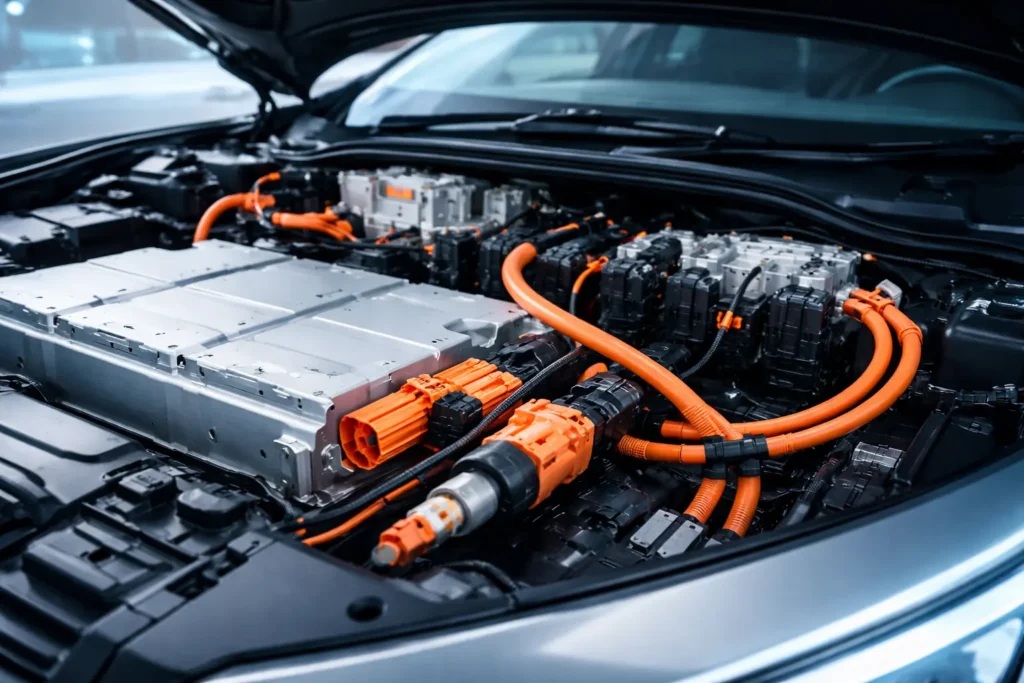
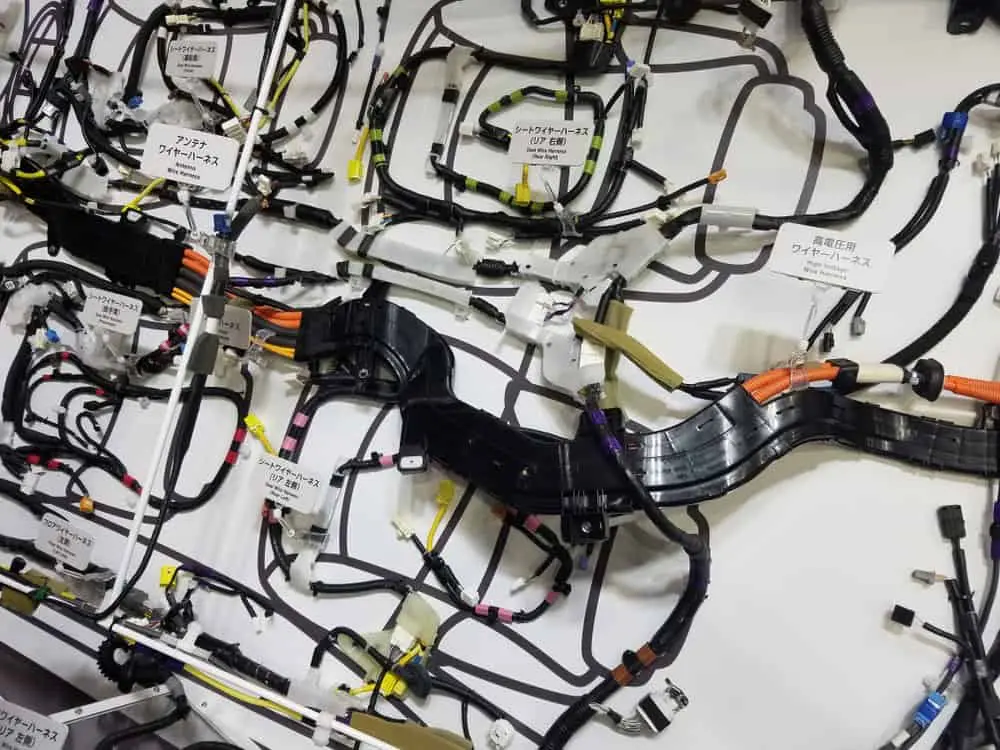
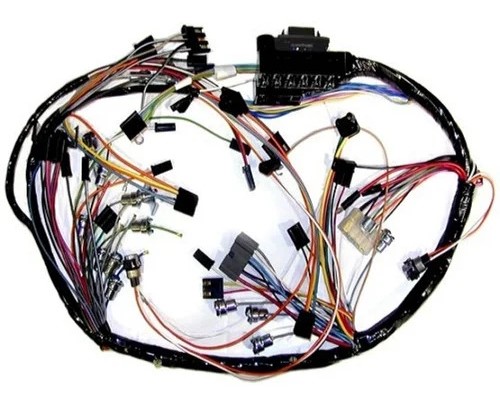
A wiring harness is a bundled system of wires, connectors, terminals, and protective coverings that transmit electrical signals and power.
In EVs, it plays a critical role in:
- Battery power distribution
- Motor control
- Charging system connectivity
- Sensor and ADAS integration
🔋Why Wiring Harness is Crucial for EVs
Electric vehicles depend entirely on electrical systems, making wiring harnesses a core component.
Key reasons:
1. High Voltage Power Transmission
EVs operate at high voltages (up to 800V), requiring specialized harnesses that can handle increased electrical loads safely.
2. Battery Management Systems (BMS)
The wiring harness connects battery modules and ensures efficient monitoring and control.
3. Lightweight Design Requirement
Reducing vehicle weight improves efficiency and battery range. Modern harnesses are designed to be lighter yet durable.
4. Advanced Electronics Integration
EVs include:
- Infotainment systems
- Sensors
- Autonomous driving modules
All rely on complex wiring systems.
📈 Emerging Trends in EV Wiring Harness
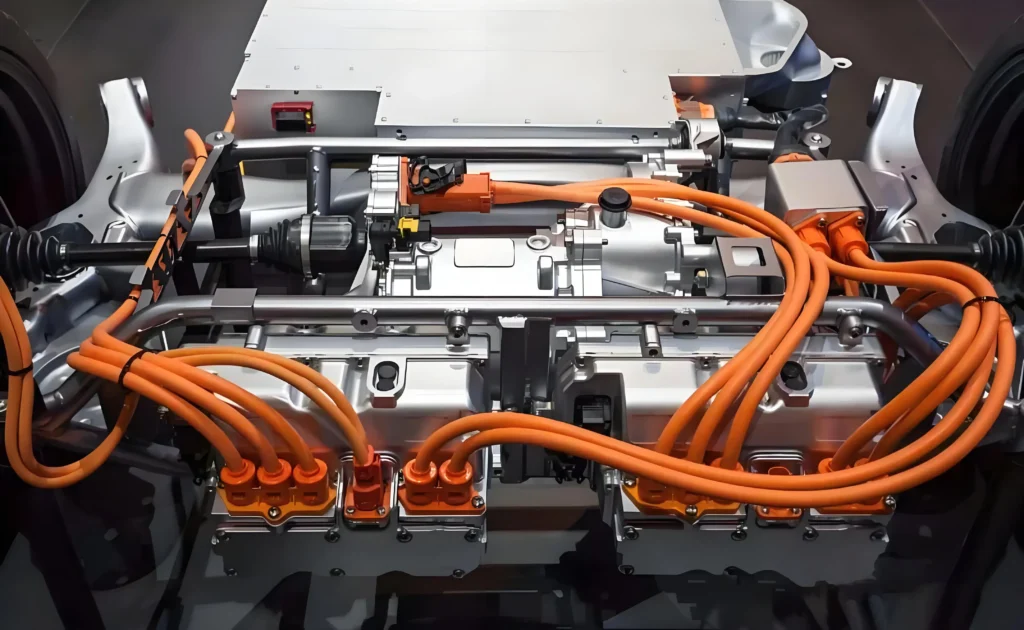
🔹1. High-Voltage Systems
Future EVs are shifting toward 800V architectures for faster charging.
🔹 2. Lightweight Materials
Use of:
- Aluminum conductors
- Advanced insulation polymers
🔹 3. Modular Design
- Easy maintenance
- Cost-effective production
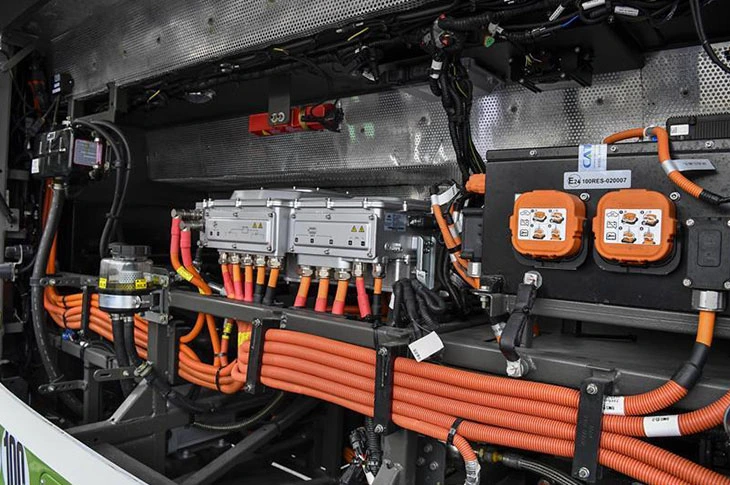
🔹 4. Smart Wiring Systems
- Data + power integration
- Real-time diagnostics
⚡ ICE vs EV Wiring Harness Comparison
| Feature | ICE Vehicles (Internal Combustion Engine) | Electric Vehicles (EV) |
|---|---|---|
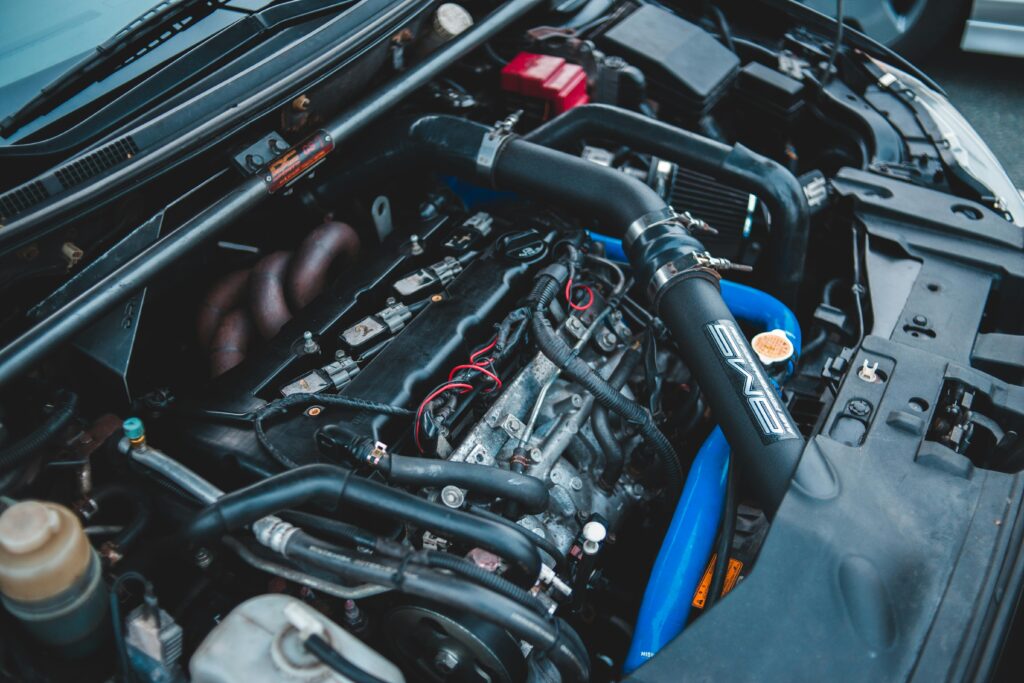
| Voltage Level | 12V – 48V | 400V – 800V+ (High Voltage) |
| System Complexity | Moderate | Highly Complex (Battery, BMS, ADAS) |
| Weight | Heavier due to traditional wiring | Lightweight optimized for efficiency |
| Main Function | Engine, lighting, basic electronics | Battery, motor, sensors, smart systems |
| Data Transmission | Limited | High-speed (CAN, Ethernet) |
| Thermal Management | Low heat handling | High heat resistance required |
| Safety Requirements | Standard insulation | Advanced insulation & shielding |
| Maintenance | Easier | Requires skilled handling |
| Future Scope | Declining | Rapid growth with EV adoption |
⚠️ Challenges in EV Wiring Harness
Electric vehicle (EV) wiring harness systems are far more advanced than traditional automotive wiring. While they enable high performance and smart connectivity, they also introduce several technical and manufacturing challenges.
🔥 1. High Voltage Handling & Safety Risks
Unlike conventional vehicles, EVs operate at 400V to 800V+, which creates serious safety challenges.
Key Issues:
- Risk of electric shock
- Insulation failure under high load
- Connector overheating
Solution:
Manufacturers must use:
- High-grade insulation materials
- Shielded cables
- Advanced safety standards
🌡️ 2. Heat Management (Thermal Challenges)
High current flow generates significant heat, especially near:
- Battery packs
- Inverters
- Charging systems
Problems:
- Cable degradation over time
- Reduced efficiency
- Potential fire hazards
Solution:
- Heat-resistant materials
- Proper cable routing
- Thermal shielding
⚙️ 3. Complex Design & Integration
EVs include multiple advanced systems such as:
- Battery Management System (BMS)
- ADAS (Advanced Driver Assistance Systems)
- Infotainment systems
Challenges:
- Designing compact harness layouts
- Avoiding signal interference
- Managing multiple connections
🔮 Future Innovations
🚀 Wireless Systems
Reducing physical wiring using wireless communication.
🚀 Flexible Printed Circuits
Compact and efficient alternatives to traditional wires.
🚀 AI-Based Monitoring
Smart diagnostics for predictive maintenance.
🏁 Conclusion
The future of wiring harness in electric vehicles is driven by innovation, efficiency, and smart technology. With the shift to high-voltage systems, lightweight materials, and intelligent connectivity, EV wiring harnesses are becoming more advanced than ever.
As the EV market continues to grow, adopting modern wiring solutions will be essential for improving performance, safety, and sustainability.